⬡ Wrightforge — software experiments, forged nightly

Ideas go in.
Software comes out.

A working forge for AI-era software. Eight experiments and counting — built fast, shipped for real, documented as they happen.

The Work

Eight experiments, forged and shipped.

Click any project for the case study — the problem, the build, and what came out of the fire.

The problem

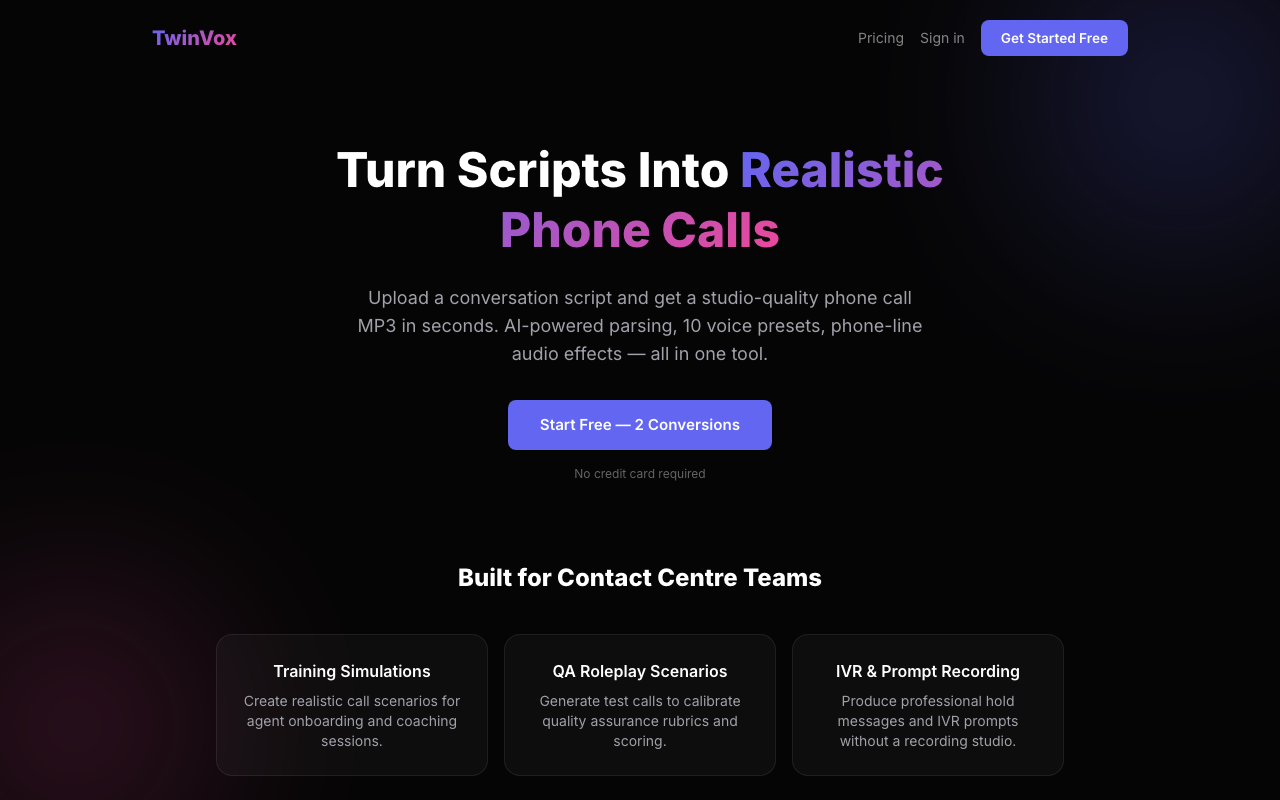
Contact centre trainers need realistic call recordings for training and QA practice, but recording real calls is slow, awkward, and full of privacy landmines.

What I built

A full SaaS that parses a script into a two-voice phone call: AI-powered parsing, ten voice presets, phone-line effects, and audio stitching — wrapped in auth, credits, and Stripe billing.

What I learned

The last 10% — line noise, compression, the rhythm of interruptions — is what sells the illusion. And the monetization plumbing took as long as the core feature.

Next.jsElevenLabsSupabaseStripe
Visit TwinVox
TwinVox screenshot

The problem

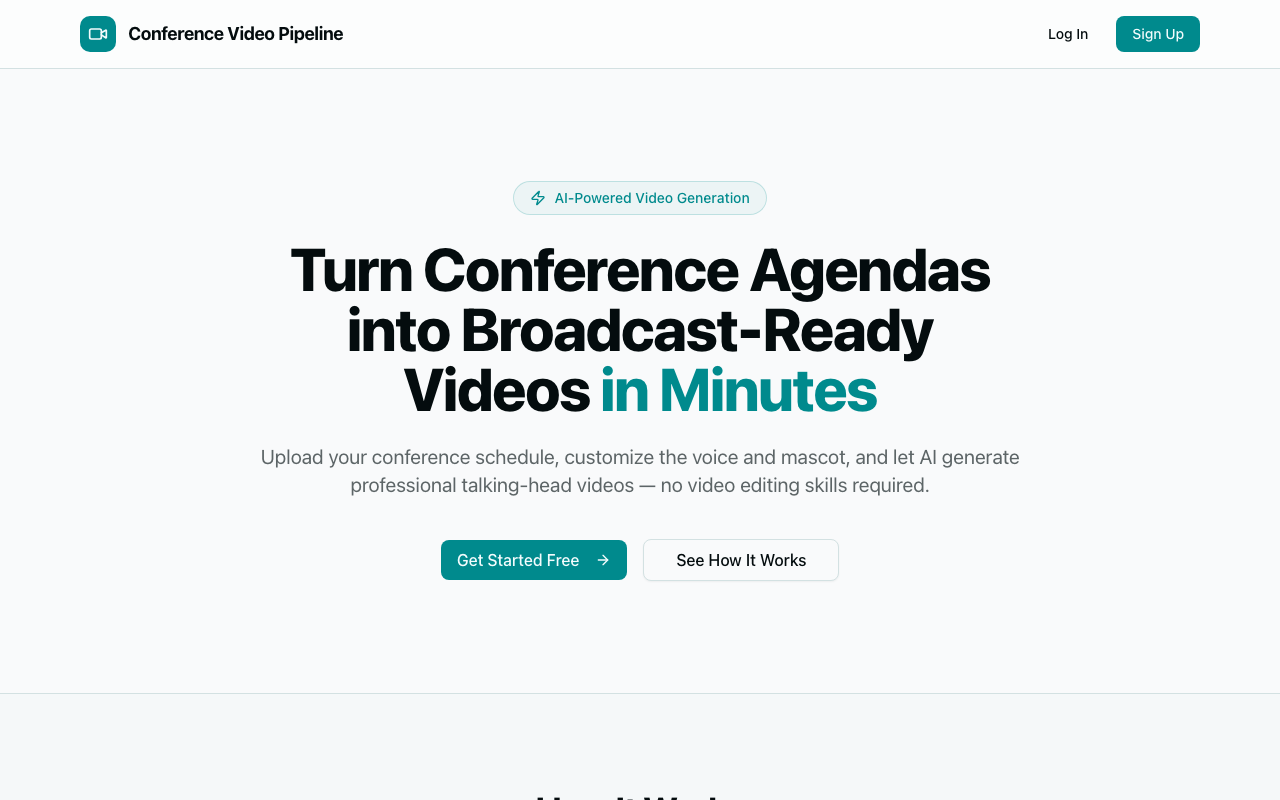
Producing speaker and session videos for a conference takes a production team about a week per event.

What I built

A SaaS pipeline: Claude parses the agenda, Hedra generates talking-head video, and the platform handles accounts and Stripe billing end to end.

What I learned

Chaining third-party AI APIs means designing for failure mid-pipeline — retries, resumability, and honest status reporting are the product.

Next.jsPrismaClaudeHedraStripe
Visit Conference Video Pipeline
Conference Video Pipeline screenshot

The problem

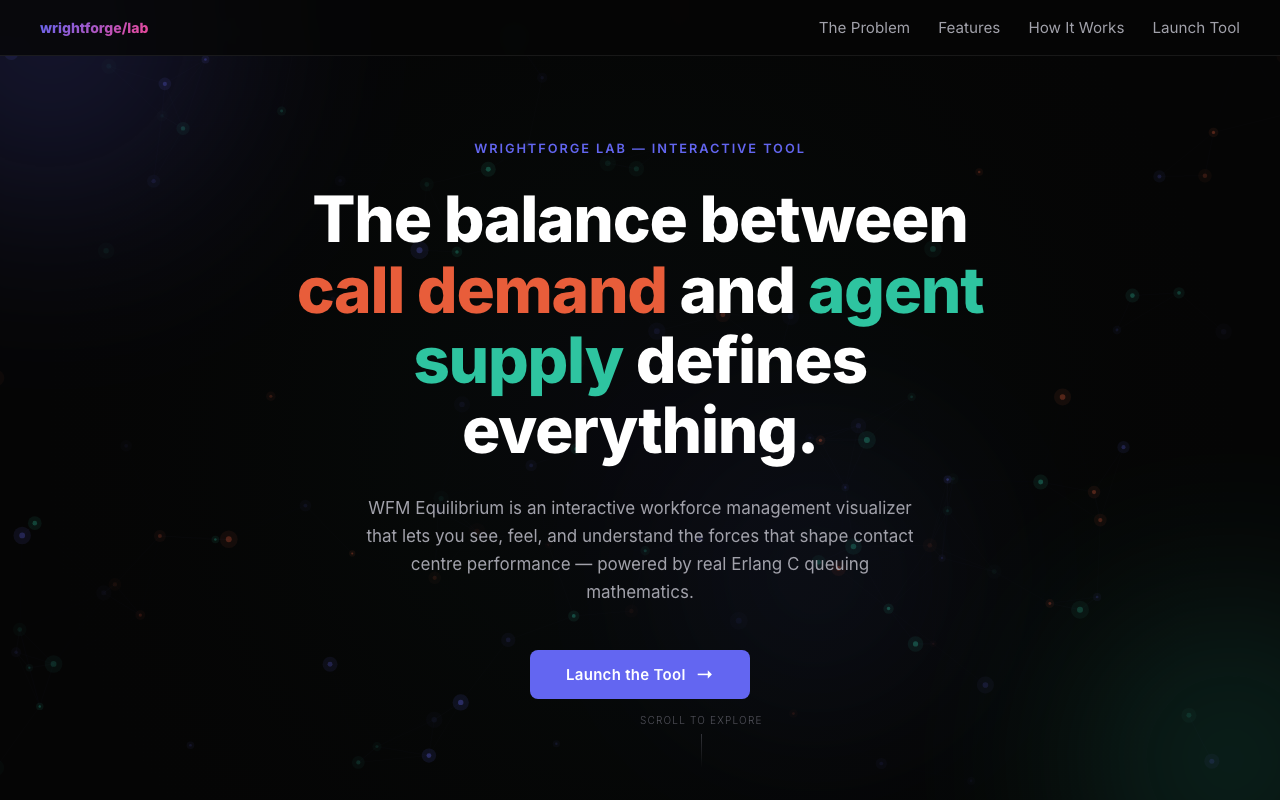
Erlang C and staffing trade-offs are abstract. Ops leaders nod at the spreadsheet and walk away unconvinced.

What I built

An interactive visualizer: demand vs supply charts, a Sankey call-flow diagram, and a live particle simulation of calls hitting a queue.

What I learned

A particle simulation communicates queueing theory better than any chart — people understand waiting when they can watch it happen.

HTMLCanvasJavaScript
Visit WFM Equilibrium
WFM Equilibrium screenshot

The problem

Call recordings hold the most honest data a company owns, and almost nobody mines it.

What I built

A transcription-to-insight pipeline: worker queue, transcription, and AI analysis. Currently glowing on the anvil.

What I learned

Pipelines want to be boring — the interesting AI work only holds up if the queue and retry machinery underneath is dull and dependable.

Next.jsWorkersClaude
04Still on the anvil — no public build yet.

The problem

Metrics dashboards show what happened. They never explain why, and the why is the whole job.

What I built

A contact-centre metrics dashboard with a Claude-powered insights page that reads the numbers and writes the analysis.

What I learned

AI insights are only trusted when they cite the numbers on the same screen — grounding beats eloquence.

Next.jsClaude
05Still on the anvil — no public build yet.

The problem

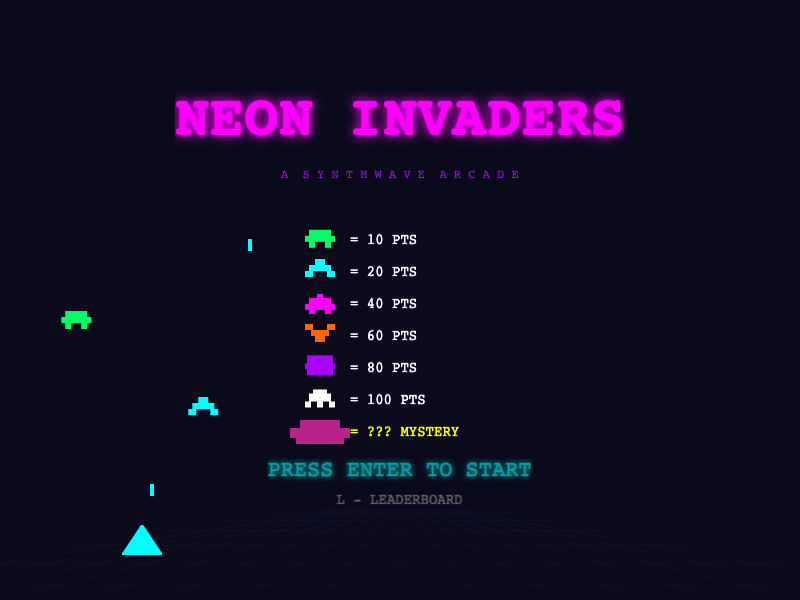
Not every experiment needs a business case. Some exist to learn game loops, physics, and juice.

What I built

A browser arcade shooter with waves, power-ups, and particle effects, built on Phaser and Vite.

What I learned

Game feel is tuning, not features — screen shake and hit-pause did more for fun than any new weapon.

PhaserViteTypeScript
Visit Neon Invaders
Neon Invaders screenshot

The problem

Curated link pages die because updating them is a chore nobody does twice.

What I built

An auto-updating weekly article digest with de-duplication, so each week only shows recent, non-repeating pieces.

What I learned

Small automations are what keep a site alive — the update nobody has to remember is the only update that reliably happens.

Static HTMLAutomation
Visit Snowbird Weekly
Snowbird Weekly screenshot

The problem

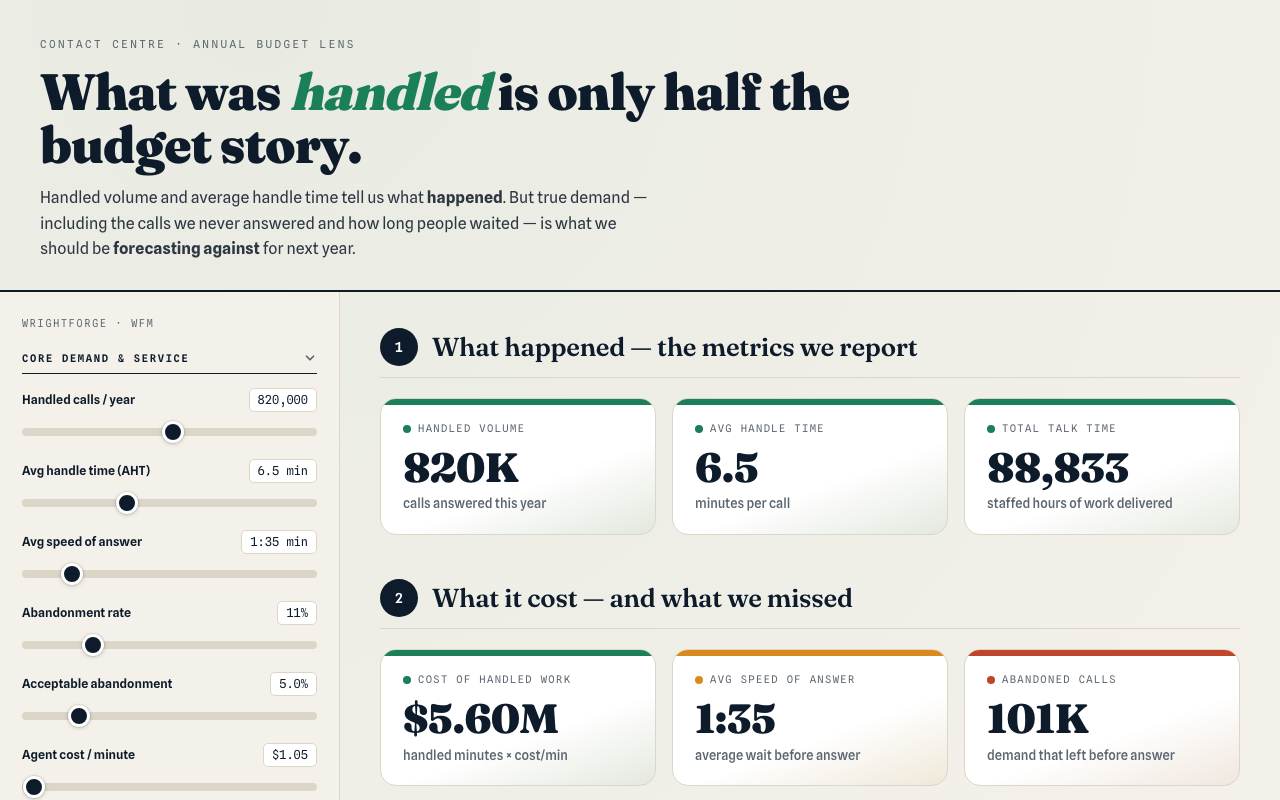
Contact-centre budgets get built on handled volume and handle time. The calls that abandoned in queue — and what answering them would really cost — never make it into the forecast.

What I built

A single-page interactive model: sliders drive ASA, abandonment, Erlang C staffing, shrinkage, and a three-layer cost breakdown, ending in the fully-loaded cost of each hidden FTE. Plain HTML and vanilla JS — no build step, works offline.

What I learned

A budget audience won’t argue with a slider. Letting people pull the assumptions themselves defuses “your model is wrong” before it starts.

HTMLVanilla JSErlang C
Visit The Full Picture
The Full Picture screenshot

Lab Notebook

The forge is always lit.

What shipped, what’s glowing on the anvil, and what the fire taught me — newest first.

ShippedThe Full Picture

The Full Picture joins the roster

An interactive contact-centre budget model — Erlang C, shrinkage, and the true cost of the calls that abandoned in queue. Live at /tools/call-centre-budget/.

Forging

Reimagining wrightforge.ca

This site, rebuilt from scratch as a one-page showpiece: case studies that expand in place, and this notebook to prove the forge is lit.

ForgingVoxLens

VoxLens pipeline taking shape

Worker queue and transcription pipeline coming together — the boring, dependable plumbing the insights will stand on.

ShippedSnowbird Weekly

Snowbird Weekly keeps itself fresh

The weekly digest now only surfaces recent, non-repeating articles. Set it and forget it.

ShippedNexOps

NexOps gets an AI analyst

Added a Claude-powered insights page that reads the contact-centre metrics and writes the analysis.

ShippedTwinVox

Dialogue Forge becomes TwinVox

Renamed across the board and fully monetized — auth, credits, Stripe, history, and a proper landing page.

About

Most of this didn’t exist a year ago.

I’m Jason Wright — service delivery leader by day, builder by night. I take problems I’ve lived with for years in contact centres and operations, and forge them into working software with modern AI.

Every project here shipped — not as a demo, but as a real thing with real users or a real lesson. The point is pace: build fast, learn publicly, and keep the forge lit.

Stack
Next.js · React · Vercel · Supabase · Claude AI
Focus
AI tools · SaaS · Automation · Data Viz
Day Job
Service Delivery Leader
Based in
Ontario, Canada

Contact

Got a problem worth forging on?

I’m always up for talking shop — AI, contact centres, or whatever you’re building.